“import and export” search results (4000)

Coffee acreage in Madagascar continues to decline
Due to the continuous decline in coffee prices in the international market, the planting area of Malagasy coffee continues to decrease. The latest statistics from the Malaysian Ministry of Agriculture show that the planting area of Malagasy coffee is 190000 hectares, nearly 30,000 hectares less than 20 years ago. At present, coffee is still an important export product for horses. Malaysia produces an average of 67000 tons of coffee a year, with nearly 40000 tons for export. An important export of Malaysian coffee
2014-04-27 Motor Garth coffee planting area sustained reduced due to international market
The export of Pu'er coffee soared by 6061 tons in the first half of the year.
By the end of June, Pu'er City had exported 15036 tons of coffee beans through Pu'er entry-exit Inspection and Quarantine Bureau, earning 63.6255 million US dollars in foreign exchange, a sharp increase of 6061 tons from 8975 tons in the same period last year, and is expected to break through the 20, 000 ton mark by the end of the year. According to reports, Pu'er City currently has a coffee planting area of more than 400,000 mu, with an output of about 35000 tons of coffee beans, planting area and output.
2014-05-30 Coffee export Pu'er
The journey of coffee from Africa to China
Coffee originated in Africa and little is known about it. In fact, Africa Ethiopia is the hometown of coffee, producing the best Arabian coffee in the world. Soil, weather conditions and an altitude of more than 2000 meters above sea level have made many countries in Africa create an ideal scene for the growth of coffee. At present, coffee production in Africa accounts for about 13% of the world's total output, and coffee income is part of Africa.
2015-09-08 Coffee Africa to China Journey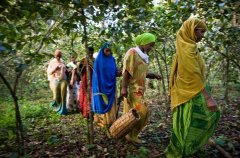
African Coffee: A Slow Journey to China
Coffee originated in Africa and is poorly understood. In fact, Africa Ethiopia is home to coffee and produces the best Arabica coffee in the world. Soil, climatic conditions and altitudes above 2000 meters make many African countries ideal for coffee growth. Africa currently produces about 13% of global coffee production, and coffee revenue is part of African countries.
2015-08-07 Africa Coffee Slow Middle Front Traveling China Journey
South Korea is the largest exporter of Yunnan coffee
According to the Yunnan Coffee Association, South Korea imports an average of 2000 tons of coffee from Yunnan every year, making it the largest exporter of coffee from Yunnan. Yunnan Province has a coffee planting area of more than 800,000 mu, with an annual output of more than 60,000 tons, accounting for 98% of the country's total. The products are sold in 31 countries and regions, including the United States, South Korea and Southeast Asia, among which South Korea has become the largest exporter of Yunnan coffee because of its market and tariff advantages.
2014-07-16 Coffee News Yunnan Coffee Export Korean Coffee
Chinese Coffee African Coffee Slow Moving Journey to China
Coffee originated in Africa and is poorly understood. In fact, Africa Ethiopia is home to coffee and produces the best Arabica coffee in the world. Soil, climatic conditions and altitudes above 2000 meters make many African countries ideal for coffee growth. Africa currently produces about 13% of global coffee production, and coffee revenue is part of African countries.
2014-12-24 China Coffee Africa Slow Middle Front Traveling Journey Origin
South Korea becomes the largest exporter of Yunnan coffee
According to the Yunnan Coffee Association, South Korea imports an average of 2000 tons of coffee from Yunnan every year, making it the largest exporter of coffee from Yunnan. Yunnan Province has a coffee planting area of more than 800,000 mu, with an annual output of more than 60,000 tons, accounting for 98% of the country's total. The products are sold in 31 countries and regions, including the United States, South Korea and Southeast Asia, among which South Korea has become the largest exporter of Yunnan coffee because of its market and tariff advantages.
2014-04-27 South Korea Yunnan coffee largest exporter Yunnan Province association introduction Korea
International Coffee Organization-2
The 1983 International Coffee Convention has the following main economic characteristics: 1. When necessary, adopt an export quota system to ensure price stability within a certain range. This scope is reached annually through consultation between members of the organization's coffee importers and exporters at meetings of the International Coffee Council. two。 When the price of coffee rises above a certain level, the quota system will be terminated;
2014-08-13 Coffee knowledge International Coffee Organization Coffee Encyclopedia
The slow way of African Coffee entering China
Coffee originated in Africa and little is known about it. In fact, Africa Ethiopia is the hometown of coffee, producing the best Arabian coffee in the world. Soil, climatic conditions and an altitude of more than 2000 meters above sea level have enabled many African countries to create an ideal environment for the growth of coffee. At present, coffee production in Africa accounts for about 13% of the world's total output, and coffee income is accounted for by some African countries.
2015-06-21 Africa coffee marching China slow journey
Vietnam is the largest coffee supplier in China.
Wang Lei, deputy secretary general of the China-ASEAN Expo, said at the 9th China-ASEAN Expo held in Nanning, Guangxi on Saturday that Vietnam has become the largest overseas supplier of imported coffee from China, ChinaDaily reported. He said that China's imports mainly come from Southeast Asian countries, while Vietnam is the country that exports the most coffee to China.
2014-07-16 Coffee News Coffee supplier Vietnam Coffee Chinese Coffee Market
Coffee export in Pu'er reached an all-time high in the first half of the year.
By the end of June, Pu'er City had exported 15036 tons of coffee beans through Pu'er entry-exit Inspection and Quarantine Bureau, earning 63.6255 million US dollars in foreign exchange, a sharp increase of 6061 tons from 8975 tons in the same period last year, and is expected to break through the 20, 000 ton mark by the end of the year. According to reports, Pu'er City currently has a coffee planting area of more than 400,000 mu, with an output of about 35000 tons of coffee beans, planting area and output.
2014-04-27 Pu'er City the first half of the year coffee exports history new highs as of the end of June
Coffee Journey to Africa Coffee's slow Journey to China
Coffee originated in Africa and little is known about it. In fact, Africa Ethiopia is the hometown of coffee, producing the best Arabian coffee in the world. Soil, climatic conditions and an altitude of more than 2000 meters above sea level have enabled many African countries to create an ideal environment for the growth of coffee. At present, coffee production in Africa accounts for about 13% of the world's total output, and coffee income is accounted for by some African countries.
2015-05-20 Coffee Tour Africa slow Middle Front Travel China
General knowledge about Blue Mountain Coffee
The Tooth Plus Law stipulates that only beans produced in mountainous areas can be called Luoshan Coffee. High-level Gaoshan Coffee can be divided into three grades: No. 1 (over 17,18 mesh), No. 2 (16 mesh) and No. 3 (15 mesh), with 17 eyes equivalent to 17x64 inches; it tastes the same (all must be confirmed by the professional cup of dentistry and government staff), but the sizes are different, these three levels
2015-04-16 About the Blue Mountains coffee common sense teeth laws regulations only mountains districts
Is it easy to use imported coffee beans?
Salvadoran coffee-Salvadoran coffee flavor: balanced taste, excellent texture suggested roasting method: medium to deep, there are many uses of quality beans: Salvadoran SHB taste characteristics: sour, bitter, sweet mild moderate. Salvadoran coffee ranks side by side with Mexico and Guatemala as the producers of Asa and Merdo, and is fighting for the first place in China and the United States with other countries.
2016-05-24 Boutique coffee individual products imports coffee beans easy to use El Salvador flavor
Ethiopian coffee beans
General requirements: The moisture content of sun-dried coffee beans should not exceed 11.5% by weight, and at least 85% of the beans remain above 14 mesh after sifting. (This is why Egyptian beans don't look good: 14 + means 14, 15, 16, 17, 18, etc. mixed together, beans must be uneven) Parchment Coffee Grades: 1, 2, 3, 4, 5, 6, 7, 8, 9
2016-06-08 Ethiopia coffee beans grade presentation general requirements sun exposure water
Ethiopian Coffee Bean Grades Flavors Introduction
In Ethiopia, coffee classification and quality control systems are divided into producer, regional and national levels. All coffees are inspected by local inspection agencies before they leave the country of origin, and then re-inspected at coffee inspection and grading centres in Addis and Diredova to determine their quality grade. Coffee is graded prior to auction and sale, and all participants in production,
2016-06-13 Ethiopia Coffee Bean Grade Flavor Introduction Coffee Grading
Yega Sheffield Coffee Flavor Coffee Flavor Manor production area introduces the sun Yega Chuefei
Coffee is Ethiopia's most important export cash crop and the main source of Ethiopia's foreign exchange earnings. Ethiopia's coffee exports account for about 3% of the world market, making it the eighth largest coffee exporter in the world. Coffee exports increased steadily from 58000 tons in 1990 to 110000 tons in 1995-1996 and remained at this level in the following years. 2001-2002
2016-08-29 Yega Sheffield Wauka Coffee Flavor Taste Manor producing area introduction Solar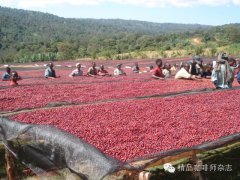
Single boutique boutique Burundian Burundi Brundi Champion processing Factory Kayanza province boutique coffee
Coffee is Ethiopia's main economic crop and the country's largest crop export and important industry. It accounts for 60% of Ethiopia's total export value and supports many small farms, as well as sugar, bananas and cotton. It is also Ethiopia's largest and important commodity export crop after oil, and it is also the largest export of Elaraby in Africa, in 1997.
2016-07-08 Single boutique Burundi Brunei Champion processing Plant Card
Ethiopian Coffee Flavor Taste Manor introduces Ethiopian Coffee Brands
In Ethiopia, the grading and quality control system of coffee is divided into three levels: producer, regional and national. All coffee is inspected by local inspection agencies before leaving the country of origin, and then re-tested at the coffee inspection and grading centers in Addis and Diredawa to determine its quality grade. Coffee is graded before auction and sale, for all involved in production, acquisition,
2016-07-22 Ethiopia Coffee Flavor Taste Manor producing area introduction Brand
Ethiopian Coffee Bean Flavor Manor introduces Ethiopian Coffee Brands
Sun-cured coffee accounts for 65% of exports. Mainly picked by families, red coffee beans are placed on cement floors or on high tables to dry to about 11.5% humidity, then peeled and cleaned. Coffee grading and quality control system in Ethiopia, coffee grading and quality control system is divided into three levels: producer, regional and national. All coffee goes through before leaving the country of origin.
2016-07-20 Ethiopia coffee beans flavor taste manor producing area introduction coffee brand